

Why do I often feel anxious for no reason? | Safe and Sound
A rapid heartbeat, shortness of breath, and unexplained anxiety or nervousness can be signs of underlying physical or mental health problems. Understanding the root causes and applying relaxation techniques is an effective way to maintain mental well-being and improve mental health.
Ngo Thanh Thien An | Psychologist - Safe and Sound Mental Health Care Application
Institute of Applied Medical Technology
1. Is nervousness a bodily signal or a psychological emotion?
Nervousness is both a bodily signal in response to unexpected events and a psychological emotion. This distinction often depends on environmental factors and how the body reacts.
1.1 Nervousness as a body signal.
Nervousness is a natural physiological reaction of the body to environmental stimuli. This state often occurs when you are preparing to give a presentation in front of a crowd or encounter unexpected dangerous situations.
This is part of the "fight or flight" mechanism, where the autonomic nervous system activates to prepare for a threat or critical situation.
The physical symptoms will be:
- My heart is beating fast.
- Rapid breathing.
- Sweating.
- Shaking hands and feet.
- Restlessness or a feeling of unease.
1.2 Nervousness as a psychological emotion:
Nervousness is also a psychological state that arises when you anticipate or worry about an upcoming event. This state is often accompanied by emotions such as anxiety, excitement, joyful anticipation, or fear, reflecting the tension and expectations in your mind.
Accompanying psychological emotions:
- Anxiety: While waiting for exam results.
- Excitement: When about to meet a loved one.
- Fear: When faced with something unexpected.
Nervousness is a combination of physiological response and psychological emotional state. It helps the body prepare for important situations or strong emotions. If nervousness occurs frequently without a clear cause, you should see a psychologist to determine the exact cause.
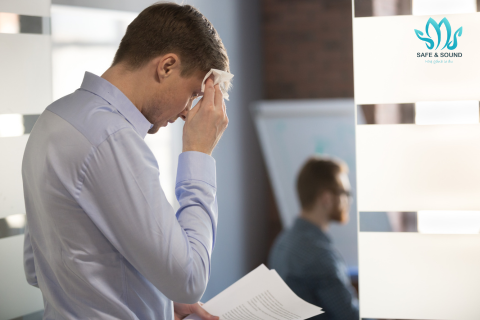
Nervousness is a combination of a physiological response and a psychological emotional state.
2. Differentiate between normal palpitations and palpitations of unknown origin.
At first glance, normal nervousness and unexplained nervousness have some similarities, as both are psychological states that cause feelings of discomfort, anxiety, or unease. Both states of nervousness also have physical symptoms such as rapid heartbeat, shortness of breath, sweating, and trembling hands and feet.
The difference between normal anxiety and anxiety of unknown origin is shown through the following criteria:
|
Criteria |
Normal nervousness |
Unexplained anxiety |
|
Reason |
The obvious triggers (waiting for exam results, preparing for the interview) |
The cause is unknown. |
|
Triggering factor |
Stress, anxiety, excitement |
Appearing spontaneously, without warning. |
|
Time |
Short-term, quick ending |
Long-term, frequent relapses |
|
Symptom |
Lightweight and controllable. |
Severe, accompanied by chest pain, shortness of breath, and dizziness. |
|
Health effects |
Not dangerous |
It can threaten physical and mental health. |
Normal anxiety and anxiety of unknown origin differ in their causes, symptoms, and severity. If you or a loved one frequently experiences anxiety of unknown origin, long-term support from a psychologist can provide immediate emotional support and help manage health more effectively.

3. Causes of frequent anxiety that are of unknown origin.
Frequent palpitations without a clear cause are characterized by a fast, strong, or irregular heartbeat that is not related to triggers such as stress, exercise, or substance use. This could be a sign of an underlying health problem or psychological disorder that needs to be investigated.
3.1 Underlying medical conditions
- Cardiovascular system.
- Cardiac arrhythmias: Premature beats, atrial fibrillation, or ventricular tachycardia.
- Heart valve disease: Disrupts normal blood flow, causing prolonged palpitations.
- Endocrine disorders.
- Hyperthyroidism: An overactive thyroid gland causes an abnormally fast heartbeat.
- Hypoglycemia: Low blood sugar levels cause the body to tremble and the heart to beat rapidly.
3.2 Psychological and neurological disorders
- Mental disorders.
- Anxiety disorder: Prolonged anxiety causing uncontrollable feelings of nervousness.
- Panic disorder: Sudden and intense episodes of anxiety with no apparent cause.
- Nervous system disorders.
- Autonomic nervous system disorders: Imbalances in the autonomic nervous system can trigger unexplained anxiety.
3.3 Side effects of medications or stimulants
- Medications: Certain medications such as bronchodilators, diuretics, or antidepressants.
- Stimulants: Coffee, alcohol, tobacco, or drugs.
3.4 Factors from the surrounding environment
- Office environment: excessive workload, deadlines, and unfriendly colleagues.
- Living environment : air pollution, noise pollution, sound pollution, cramped spaces.
Frequent nervousness can be a temporary reaction to environmental factors or a sign of an underlying physical or mental health condition that needs to be checked. Maintaining a healthy lifestyle and managing stress are good ways to limit this condition.
4. Why am I nervous for no reason? Could it be a psychological issue?
Feeling nervous for no apparent reason often causes anxiety for many people. This could be a sign of psychological or physiological reactions in the body. Here are some of the main causes:
4.1. Psychological reactions
- Hidden anxiety
Latent anxiety occurs when you feel worried without knowing the cause. Unresolved thoughts or stressors can cause the body to react by increasing heart rate and creating a feeling of nervousness.
Work stress or difficult relationships can build up subconsciously, causing sudden anxiety symptoms.
- Chronic stress or generalized anxiety disorder
Prolonged stress or generalized anxiety disorder (GAD) keeps the body in a constant state of alert, even without a specific cause.
Accompanying symptoms may include difficulty sleeping, difficulty concentrating, fatigue, and frequent feelings of anxiety.

4.2 Natural responses of the autonomic nervous system
The autonomic nervous system is responsible for controlling involuntary functions such as heart rate and respiration. When the body senses danger, even if there is no real threat, the nervous system activates the "fight or flight" response.
As a result, the heart races, breathing becomes rapid, sweating occurs, and feelings of anxiety develop.
5. How to deal with unexplained nervousness
Unexplained nervousness is a common phenomenon, characterized by a rapid heartbeat, shortness of breath, or feelings of anxiety without a clear cause. Here are some tips to help you effectively regain balance.
Muscle relaxation : Sit comfortably, close your eyes, and tighten each muscle group for 5 seconds, then release. Starting from head to toe, relax from forehead, neck, shoulders, arms, abdomen, back, and finally legs.
Practice the "STOP" technique.
- Stop (S - Stop): Stop everything you are doing.
- Breathing (T - Take a Breath): Take deep, slow breaths to calm down.
- Observe (O): Pay attention to your current feelings and thoughts.
- Proceed (P): Continue acting with a calm and clear mind.
Keep a journal: Spend 5-10 minutes each day writing down your feelings and things that worry you. When journaling, focus on:
- Main emotion : Record the feeling you are experiencing (anxiety, sadness, anger, joy).
- Specific situation : Describe in detail the event or situation that caused that emotion.
- Your own reaction : What did you do or how did you react?
- Lesson or solution : Write down the ways you think would be effective in the future.

Relaxation is a way to balance out feelings of anxiety.
6. Long-term measures to overcome unexplained anxiety
Unexplained anxiety can negatively impact quality of life if left unchecked. Below are some long-term measures to help you manage and overcome this condition sustainably.
- Exercise regularly
- Type of activity: Choose activities such as walking, swimming, cycling, or yoga.
- Frequency: At least 30 minutes per day, 5 times per week.
- Benefits: Improves cardiovascular health, releases endorphins (the "happy hormones"), helps reduce stress and anxiety.
- Get enough sleep.
- Time: Sleep 7-8 hours each night.
Tips to improve sleep
- Create a quiet, dark, and cool sleeping environment.
- Avoid using electronic devices for at least one hour before going to bed.
- Maintain a consistent bedtime and wake-up time each day.
- Healthy eating
- Diet : Include green vegetables (spinach, broccoli, lettuce), fruits (bananas, oranges, tangerines, grapefruit, apples), lean protein (chicken breast, beef, salmon, shrimp, egg whites) and whole grains.
Avoid: Caffeine, alcohol, and sweets, as these can increase heart rate and cause nervousness.
7. Seek support from a psychologist.
If you've tried everything but your anxiety persists and seriously affects your mental health, long-term support from a psychologist can help you detect and address any underlying mental health disorders early.
Here's what you'll get when you see a psychologist:
- Receive guidance on how to practice skills to change your lifestyle and form positive habits.
- Understand the underlying psychological causes and develop coping skills.

Long-term support from a psychologist will help you detect and address potential mental disorders early.
Safe and Sound Clinic - Family mental and health support
With a team of experienced doctors and specialists, Safe and Sound Clinic is a pioneer in comprehensive healthcare, offering services ranging from medical to psychological care.
"Early preparation - Timely support - Long-term partnership."
If you suspect or experience any physical or mental health problems, please contact our HOTLINE at 0964 778 911 (Phone/Zalo, 24/7) for prompt assistance and answers!
HOW TO SCHEDULE AN APPOINTMENT for online or in-person consultation with a specialist.
- At the SnS Clinic - IMT Institute
- Alternatively, download and schedule a consultation on the Safe and Sound app to manage and track your appointments anytime, anywhere.
Safe and Sound (SnS) - part of the Institute of Applied Medical Technology (IMT)

See more
- 6 ways to help you overcome anxiety
- How can I alleviate nighttime anxiety?
